Clinical Supervision for Psychedelic-Assisted Therapy
Conscious Mind Centre provides individual and small group clinical supervision for clinicians working in Psychedelic-Assisted Therapy (PAT) and Medicine-Assisted Therapy.
PAT brings clinical, relational and ethical complexities that can be very different from conventional psychological practice. Supervision provides a space to think through this work with someone who understands both the direct clinical delivery of treatment and the broader systems required to deliver it safely in Australia.
Supervision is available online Australia-wide and can be arranged as a one-off session or on an ongoing basis.
Who is PAT supervision for?
Supervision is available for clinicians working in, or preparing to work within, legal Psychedelic-Assisted Therapy.
This may include:
- Psychologists and Clinical Psychologists
- Psychiatrists and other medical practitioners
- Clinicians working within approved PAT treatment teams
- Clinicians providing preparation or integration therapy
Supervision is tailored to your clinical support needs.
What can we discuss in supervision?
- Complex cases and formulation
- Preparation and integration therapy
- Therapeutic process, boundaries and relational dynamics
- Transference, countertransference and clinician reactions
- Challenging or unexpected treatment experiences
- Risk, ethics, and clinical decision-making
- Multidisciplinary team dynamics and scope of practice
- Clinical documentation and continuity of care
The focus is not on teaching therapy models but to help clinicians think carefully about the work in front of them and how it sits within their existing therapeutic framework, professional responsibilities and clinical setting.
Individual PAT Supervision
Inidividual supervision may explore:
- A specific clinical issue or complex case that is PAT-related
- Reflective practice alongside an active PAT caseload
- Support while transitioning into this area of practice
- Additional PAT supervision alongside your existing professional supervisor
You do not need to change your usual supervisor to access PAT-specific supervision.
For many clinicians, this works well as an additional layer of supervision focused specifically on the complexities of Medicine-Assisted Therapy.
Small Group PAT Supervision
Small groups provide an opportunity to bring de-identified clinical material, discuss difficult aspects of the work and learn alongside other clinicians working in this emerging field.
The groups are deliberately kept small so there is space for meaningful case discussion and reflective supervision rather than becoming a seminar or training session.
Small group supervision may suit clinicians already working within PAT programs, clinicians providing preparation or integration therapy, or teams wanting ongoing PAT-specific supervision alongside their existing professional supervision.
We welcome enquiries from individual clinicians, existing treatment teams or small groups wishing to undertake supervision together.
PAT is Different Clinical Work
Medicine-Assisted Therapy can bring material into the therapeutic relationship quickly and intensely.
Clinicians may be working with significant trauma, altered states of consciousness, strong attachment responses, dissociation, and experiences that do not always fit neatly within conventional therapeutic frameworks.
The clinician is also working within a larger treatment protocol involving preparation, dosing sessions, integration, medical oversight and multidisciplinary decision-making.
Good supervision gives clinicians somewhere to unpack that complexity. It also provides space to consider what is happening for the clinician – not only what is happening for the patient.
About Shai
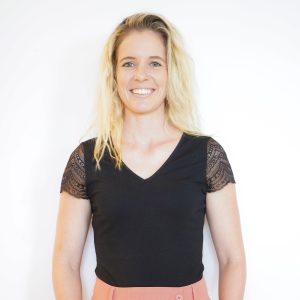
Shai Hipperson is a Clinical Psychologist and Principal Clinical Psychologist at Conscious Mind Centre.
Her work focuses on trauma, complex psychological presentations, and Medicine-Assisted Therapy.
Through Conscious Mind Centre, Shai developed Australia's first psychology-led Medicine-Assisted Therapy program, including the clinical governance, protocols, policies and systems required for delivery within Australia’s regulated environment. Beyond developing the program, Shai works directly in the clinical delivery of Medicine-Assisted Therapy with patients, alongside Authorised Prescriber psychiatrists and multidisciplinary treatment teams.
This gives her supervision a practical focus grounded in both the clinical work itself, therapeutic process, the broader governance, ethical, and realities of delivering PAT in Australia.
Individual or Group Supervision?
PAT supervision can be arranged:
- Individually
- In a small group
- As a one-off consultation
- As ongoing supervision
Individual supervision may be more suitable where you want to explore a particular patient or clinical issue in depth.
Small group supervision offers the additional benefit of hearing how other clinicians are approaching similar challenges and developing alongside peers working in the same emerging area of practice.
If you are unsure which format would be most useful, contact our Administration Team with a brief outline of your role and current PAT work.
Clinical Supervision or Professional Consultation?
Clinical supervision is for clinical work. This may include patient formulation, therapeutic process, preparation, integration, complex cases, clinician reactions, ethical issues and reflective practice.
If you are looking for assistance with:
- Developing a Medicine-Assisted Therapy service
- Clinical governance
Program design - HREC processes
Policies and procedures - Treatment protocols
- Multidisciplinary team structure
- Operational systems
Service implementation
this falls under our separate PAT Professional Consultation service.
Enquire About PAT Supervision
If you are looking for individual or small group PAT supervision, contact our Administration Team via:
Email: admin@consciousmindcentre.com.au
Phone: (07) 5616 2119
Supervision is available online Australia-wide.
Frequently Asked Questions
Who is PAT supervision for?
PAT supervision is for registered clinicians working in, or preparing to work in, Psychedelic-Assisted Therapy or Medicine-Assisted Therapy. This may include psychologists, psychiatrists, medical practitioners and clinicians providing preparation or integration therapy.
Do I need to already be working in PAT?
No. Supervision can also be useful if you are preparing to enter the field, completing training, joining a PAT team or beginning to work with preparation and integration.
Do you offer individual and group supervision?
Yes. Supervision is available individually or in small groups, either as a one-off session or on an ongoing basis.
What is small group PAT supervision?
Small group supervision brings together a small number of clinicians to discuss de-identified cases, clinical complexity, therapeutic process, ethics, boundaries and the practical realities of PAT work.
Can I bring a specific case to supervision?
Yes. Individual supervision can focus on a particular clinical issue, patient formulation, preparation, integration, therapeutic process or other complexity arising in your PAT work.
Is supervision available Australia-wide?
Yes. PAT supervision is available online to clinicians across Australia.
Can PAT supervision sit alongside my existing supervisor?
Yes. Many clinicians use PAT-specific supervision as an additional layer of support alongside their usual professional or Board-approved supervision.
Is this the same as PAT training?
No. Supervision is not a substitute for formal PAT training. It is a space for clinical reflection, case discussion, professional development and support around the work you are already undertaking or preparing to undertake.
Do you provide supervision to whole treatment teams?
Yes. We welcome enquiries from existing PAT teams or small groups of clinicians wanting regular supervision together.
What is the difference between supervision and professional consultation?
Supervision focuses on clinical work including patient cases, therapeutic process, preparation, integration, risk, ethics and reflective practice. Professional consultation is for service development, governance, protocols, HREC processes, operational systems, and program design.